
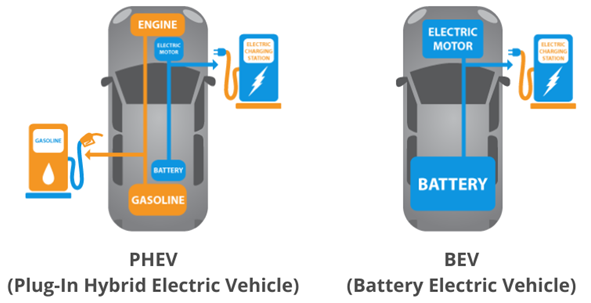
In the quest for more environmentally friendly and efficient vehicles, the automotive industry has developed two notable innovations: hybrid cars and electric cars (EVs). Both types aim to reduce reliance on fossil fuels and decrease greenhouse gas emissions. While they share some common goals, hybrid and electric cars differ significantly in their technology, performance, environmental impact, and practical use. This comprehensive comparison delves into these differences, examining their advantages and disadvantages to help consumers and policymakers make informed decisions.
1. Hybrid Cars
- Power Source and Operation
Hybrid cars use a combination of a traditional internal combustion engine (ICE) and an electric motor. This dual-system approach allows hybrids to maximize fuel efficiency and minimize emissions. The ICE typically uses gasoline or diesel, while the electric motor is power-driven by a battery that gets recharged through regenerative braking and, in some cases, by the ICE itself.
When running, hybrid cars can simultaneously switch between the combustion engine and electric motor or use both interchangeably. This flexibility enables hybrids to optimize performance based on driving conditions. For instance, during low-speed, stop-and-go traffic, the electric motor can handle most of the driving, significantly reducing fuel consumption and emissions. On highways or under heavy acceleration, the ICE provides additional power.
- Fuel Economy and Range
There are numerous fantastic benefits of hybrid cars! One of the biggest perks of owning a hybrid is its remarkable fuel economy. Unlike traditional cars, hybrids use an electric motor during low-speed driving, meaning they gulp less gas. It translates to impressive miles per gallon (MPG) ratings, making them a smart and economical choice in the long run.
Another cool thing about hybrids is that they have a similar driving range to regular cars, thanks to their ability to switch to gasoline or diesel for longer trips. With a hybrid, you don’t have to worry about running out of power like you might with an all-electric car. You can fuel up at any gas station, giving you the freedom to go anywhere without the range of anxiety. The best of both worlds!
- Emissions and Environmental Impact
Did you know hybrid cars are better for the environment when compared to traditional gasoline-powered vehicles? When running on electric power, hybrids produce zero tailpipe emissions, which means cleaner air, especially in cities. However, they still emit greenhouse gases when the gasoline engine is running. So, it produces less emissions depending on how much you drive using the electric motor versus the traditional engine.
2. Electric Cars (EVs)
- Power Source and Operation
Forget everything you know about traditional cars! Electric vehicles, or EVs, are the future of transportation. These eco-friendly cars are powered solely by electricity stored in a battery pack, unlike hybrid vehicles that are still reliant on a combustion engine. It means that EVs produce zero emissions while driving, making them a cleaner alternative for the environment.
To keep EVs running, they need to be charged using an external power source, such as a home charger or a public charging station. This simple process allows EVs to be fully emissions-free during operation. With fewer moving parts compared to traditional cars, EVs require less maintenance and are incredibly efficient. Get ready to embrace the future of driving with electric vehicles!
- Fuel Economy and Range
Electric vehicles offer incredible efficiency thanks to their electric motors, which convert a higher percentage of energy from the battery into motion when compared to traditional internal combustion engine vehicles. This increased efficiency translates to lower operating costs, as electricity is typically cheaper than gasoline or diesel. Moreover, owning an EV is usually more budget-friendly because of its simplified powertrain.
Despite these benefits, the limited range of electric vehicles is a potential drawback. Although modern EVs have seen a significant increase in range due to advancements in battery technology, there is still a wide variation among different models. The need for frequent recharging, especially during long trips, can be challenging for some drivers. However, the industry is making strides in alleviating this range of anxiety by increasing the charging infrastructure and developing faster charging technologies.
- Emissions and Environmental Impact
Electric vehicles offer a game-changing benefit: zero tailpipe emissions. By ditching the combustion process, EVs do not spew out any direct greenhouse gases or pollutants, making them a powerful weapon in the fight against air pollution and climate change. But there is a catch: the overall environmental impact of electric vehicles hinges on where the charging electricity comes from. When from clean, renewable sources like wind, solar, or hydro, the environmental perks are off the charts. But if the source is from fossil fuels, we are transferring those emissions from the vehicle to the power plant.
Comparative Analysis
- Energy Efficiency
In terms of energy efficiency, electric cars have an advantage. Electric motors can convert about 85-90% of the electrical energy from the battery into mechanical energy to drive the wheels. In contrast, internal combustion engines typically convert only 20-30% of the energy stored in gasoline into valuable mechanical energy, with the rest lost as heat. Hybrid vehicles, which blend both systems, occupy a middle ground but are typically not as efficient as pure EVs.
- Cost of Ownership
The total cost of ownership for hybrids and electric vehicles includes the initial purchase price, fuel or electricity costs, maintenance, and potential incentives. Electric vehicles (EVs) often have a higher upfront cost due to expensive battery packs, but they benefit from lower operating costs. Electricity is cheaper than gasoline, and EVs require less maintenance because they have fewer moving parts and do not need oil changes.
Hybrids are typically less expensive to purchase than EVs and offer fuel savings over conventional internal combustion engine (ICE) vehicles. They also benefit from the reduced maintenance costs because of their electric components, though they still require traditional ICE maintenance.
Government incentives can significantly impact the cost of ownership. Many countries offer tax credits, rebates, and other incentives to encourage the adoption of both hybrids and EVs. These incentives can help offset the higher purchase price of EVs, making them more competitive with hybrids and conventional cars.
- Driving Experience
The driving experience varies between hybrids and electric cars. Electric vehicles (EVs) are known for their smooth, quiet operation and instant torque, which provides quick acceleration. It can make driving an EV a distinctive experience. The absence of engine noise also contributes to a quieter cabin, enhancing comfort.
Hybrids, while quieter than conventional ICE cars when operating on electric power, still produce engine noise when the ICE is active. The transition between the electric motor and the ICE can sometimes be noticeable, although modern hybrids have made significant strides in smoothing this process.
- Infrastructure and Convenience
Infrastructure plays a significant role in the practicality of hybrid and electric vehicles. Hybrid cars benefit from the existing network of gas stations, making refueling quick and convenient. They do not require an exclusive infrastructure, making them easy to integrate into current lifestyles. Electric vehicles, however, depend on a robust charging infrastructure. While home charging is convenient for many EV owners, access to public charging stations is essential for longer trips and those without home charging capabilities. The expansion of fast-charging networks is helping to alleviate this concern, but it remains a critical factor in the broader adoption of EVs.
- Environmental and Societal Impact
From an environmental perspective, hybrids and electric vehicles represent significant improvements over traditional ICE cars. Hybrids reduce fuel consumption and emissions, providing an intermediate step towards more sustainable transportation. They are particularly beneficial in urban environments where they can operate in electric mode for significant portions of the drive.
Electric vehicles offer the most substantial environmental benefits, with zero tailpipe emissions and the potential for complete decarbonization if charged with renewable energy. Their adoption can contribute to considerable reductions in air pollution and greenhouse gas emissions, helping to mitigate climate change and improve public health.
- Future Prospects
Technological advancements, regulatory changes, and consumer preferences are the prospects that influence hybrid and electric vehicles. Continued improvements in battery technology could enhance the range, reduce costs, and improve the performance of electric cars. The development of solid-state batteries, for example, promises higher energy density and faster charging times, which could make electric vehicles more appealing to a broader audience.
Regulatory frameworks are also evolving to support the transition to cleaner transportation. Many countries have set ambitious targets to phase out internal combustion engines in favor of electric vehicles. These policies, coupled with financial incentives, are accelerating the adoption of electric automobiles and driving investments in charging infrastructure.
Consumer preferences are shifting towards more sustainable options as awareness of environmental issues grows. This trend will likely continue, with younger generations showing a strong preference for environmentally friendly products. As electric vehicles become more affordable and convenient, their market share will increase.
In conclusion, the development of hybrid and electric cars presents two different strategies for reducing the environmental impact of personal transportation. Hybrids provide an immediate solution by combining electric and combustion technologies to enhance fuel economy and reduce emissions without requiring significant changes to the current infrastructure. On the other hand, electric vehicles operate with zero emissions and have the potential for complete decarbonization, offering a more sustainable long-term solution.
As technology progresses and infrastructure improves, the line between hybrid and electric vehicles may become less distinct, with more models incorporating features of both. At present, the choice between a hybrid and an electric car depends on individual needs, driving habits, and access to charging infrastructure. Both types of vehicles play a crucial role in transitioning to a more sustainable transportation system by reducing reliance on fossil fuels and mitigating the impacts of climate change.